

Hybrid Vs Electric Cars Which One Is Better For You, The discussion around hybrid vs electric cars begins with how each vehicle generates and uses power. Hybrid models combine a gasoline engine with an electric motor, creating a dual system that balances efficiency and flexibility. Electric vehicles, on the other hand, rely entirely on battery power, eliminating the need for fuel altogether.
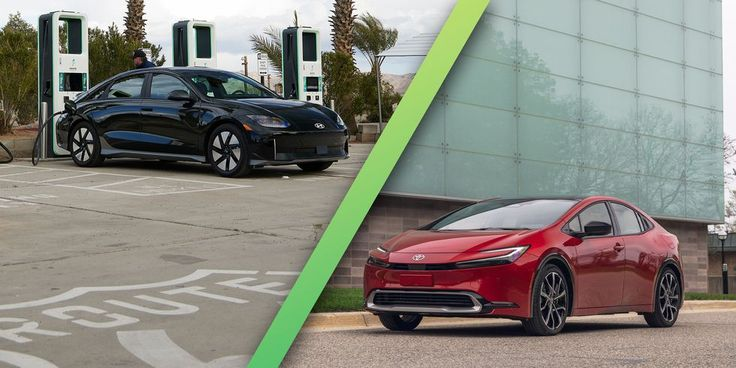
This fundamental distinction shapes everything from driving habits to long term ownership. Hybrids offer familiarity with a gradual transition toward electrification, while electric cars represent a more decisive shift into a fully battery driven future.
Driving Experience and Performance
Performance characteristics vary significantly when exploring hybrid vs electric cars. Electric vehicles deliver immediate torque, resulting in swift and smooth acceleration that feels almost effortless. The absence of engine noise adds a sense of tranquility, making each drive feel refined and modern.
Hybrids, while slightly less instantaneous, still provide responsive acceleration thanks to electric assistance. Their ability to switch between power sources ensures consistent performance across different speeds and terrains. This versatility can be particularly appealing for drivers who value adaptability in diverse conditions.
Energy Efficiency and Range Considerations
Efficiency plays a central role in the comparison of hybrid vs electric cars. Electric vehicles operate with remarkable energy conversion rates, using stored electricity with minimal waste. However, their range depends on battery capacity and access to charging infrastructure.
Hybrids mitigate range concerns by incorporating a fuel engine. This allows longer journeys without reliance on charging stations. While they may not achieve the same level of efficiency as fully electric models, their extended range provides reassurance for drivers who frequently travel long distances.
Charging and Refueling Convenience
Convenience is a key factor when evaluating hybrid vs electric cars. Electric vehicles require charging, which can be done at home or at public stations. Charging times vary depending on the system, ranging from quick sessions to several hours for a full recharge.
Hybrids eliminate this dependency by using conventional refueling methods. This familiarity simplifies the ownership experience, especially in areas where charging infrastructure is still developing. The ability to refuel quickly ensures minimal disruption during travel.
Environmental Impact and Sustainability
Environmental considerations often influence the decision between hybrid vs electric cars. Electric vehicles produce zero tailpipe emissions, making them a cleaner option for reducing air pollution. Their overall impact depends on how electricity is generated, but they generally contribute to lower carbon output.
Hybrids reduce emissions compared to traditional vehicles by using less fuel and incorporating electric assistance. While they are not entirely emission free, they represent a meaningful step toward sustainability, especially for those transitioning from conventional cars.
Cost and Long Term Value
Financial aspects add another layer to the evaluation of hybrid vs electric cars. Electric vehicles can have higher initial costs due to advanced battery systems, but lower operating expenses often offset this over time. Reduced fuel costs and fewer mechanical components contribute to long term savings.
Hybrids typically offer a more moderate upfront price while still delivering improved fuel efficiency. Maintenance costs may vary depending on usage, but their balanced design often appeals to those seeking a practical and cost effective solution without fully committing to electric mobility.