

Hybrid Engine System Explained In Simple Terms, At its essence, a hybrid engine system combines two distinct power sources to move a vehicle. One is a traditional internal combustion engine that runs on fuel. The other is an electric motor powered by a battery. Together, they create a coordinated mechanism that maximizes efficiency while reducing unnecessary energy waste.
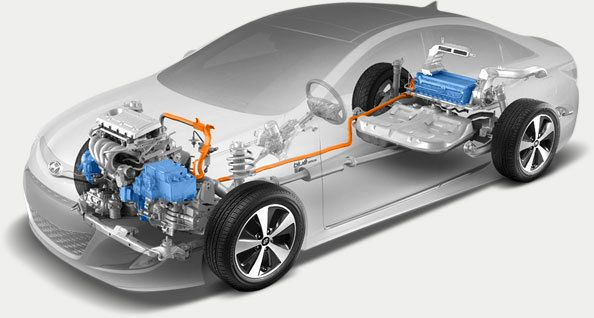
It sounds complex at first. In practice, it feels seamless. The system automatically decides which power source to use based on driving conditions, allowing the vehicle to operate with refined intelligence.
How The Dual Power Sources Work Together
The interplay between the engine and the electric motor defines how a hybrid operates. At low speeds, the electric motor often takes control, delivering quiet and efficient movement. This is especially useful in city traffic where frequent stops occur.
As speed increases, the fuel engine gradually engages to provide sustained power. Both components may even work simultaneously when extra acceleration is needed. This synchronized operation is what makes a hybrid engine system so effective, as it adapts continuously without requiring driver intervention.
The Role Of The Battery
The battery in a hybrid vehicle serves as an energy reservoir for the electric motor. Unlike fully electric vehicles, hybrids do not rely solely on external charging. Instead, they generate and store energy internally.
Energy is captured during braking and deceleration, a process known as regenerative braking. This recovered energy is then reused to power the motor. The clever design ensures that the hybrid engine system remains efficient without depending heavily on charging stations.
Regenerative Braking Explained Simply
When a conventional car slows down, kinetic energy is lost as heat. In a hybrid, that energy is redirected. The electric motor temporarily acts as a generator, converting motion into electricity.
This electricity flows back into the battery, replenishing its charge. The process happens quietly and automatically. Through this mechanism, the hybrid engine system transforms what would be wasted energy into something useful, enhancing overall efficiency.
Driving Experience And Efficiency
Driving a hybrid vehicle feels smooth and composed. Transitions between electric and fuel power are subtle, often going unnoticed. The vehicle adjusts its behavior based on speed, terrain, and driver input.
Fuel consumption is reduced because the engine does not need to run constantly. Emissions are also lower, contributing to a cleaner environment. These advantages highlight how a hybrid engine system offers both practical and environmental benefits in everyday use.
Types Of Hybrid Configurations
Not all hybrids operate in the same way. Some rely more heavily on the electric motor, while others prioritize the combustion engine with electric assistance. The variation depends on design philosophy and intended usage.
Mild hybrids provide limited electric support, improving efficiency without enabling full electric driving. Full hybrids can operate on electric power alone for short distances. Plug in hybrids add the option of external charging for extended electric use. Each variation demonstrates the adaptability of the hybrid engine system across different driving needs.
Why Hybrid Technology Continues To Grow
The increasing adoption of hybrid vehicles reflects a broader shift toward sustainable mobility. Drivers seek solutions that balance convenience, efficiency, and environmental responsibility. Hybrid technology fulfills these expectations without requiring drastic lifestyle changes.
Automakers continue refining components to improve performance and reduce costs. As innovation progresses, the hybrid engine system becomes more accessible and efficient, shaping the future of transportation in subtle yet significant ways.