

Regenerative Braking Hybrid How It Works And Benefits, In traditional vehicles, braking creates heat through friction and that energy is lost permanently. Hybrid technology introduces a smarter approach. A regenerative braking hybrid captures part of that wasted energy and transforms it into usable electricity.
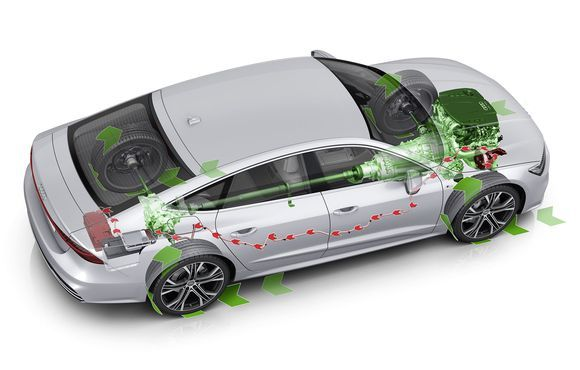
The concept is elegantly simple yet mechanically sophisticated. Instead of discarding kinetic energy during deceleration, the system redirects it into a storage battery. This subtle shift changes how vehicles interact with motion itself, turning slowing down into a productive process.
How The System Activates During Driving
When a driver lifts their foot from the accelerator or presses the brake pedal lightly, the system begins its work. The electric motor temporarily reverses its role and acts as a generator. Wheels that were once powering forward motion now help produce electricity.
This conversion process happens almost instantly. There is no noticeable interruption in driving comfort. A regenerative braking hybrid seamlessly blends mechanical braking with electrical energy recovery, ensuring that efficiency is maintained without affecting drivability.
The Science Of Energy Conversion
At the heart of this system lies electromagnetic induction. As the wheels turn the motor, internal components create resistance that slows the vehicle. This resistance is not wasted. Instead, it is harnessed to generate electrical current.
That electricity is then stored in the battery for later use. It may power the electric motor during low speed driving or assist the combustion engine during acceleration. The elegance of a regenerative braking hybrid lies in this continuous cycle of energy transformation, where motion is never fully lost.
Blending Mechanical And Electrical Braking
Hybrid vehicles still use traditional friction brakes for sudden stops or emergency situations. However, in everyday driving, the electric system handles much of the deceleration. This reduces wear on physical brake components.
The coordination between both systems is carefully managed by onboard computers. They decide how much braking force should come from regeneration and how much from mechanical friction. In a regenerative braking hybrid, this balance ensures safety, efficiency, and smooth operation in all conditions.
Efficiency Gains In Real World Driving
One of the most noticeable advantages is improved energy efficiency. City driving, with its frequent stops and starts, becomes especially beneficial. Each slowdown becomes an opportunity to recharge the battery.
Over time, this reduces fuel consumption because the electric motor can assist more often. Drivers experience fewer refueling stops and lower overall energy usage. A regenerative braking hybrid transforms everyday traffic into a continuous cycle of energy recovery.
Reduced Wear And Maintenance Benefits
Because the system relies less on friction brakes, components such as brake pads and rotors last significantly longer. This reduces maintenance frequency and long term repair costs.
The smoother braking process also contributes to a more refined driving experience. There is less harsh deceleration and more controlled slowing. The regenerative braking hybrid system therefore enhances both mechanical longevity and driving comfort simultaneously.
Environmental Impact And Sustainability
Energy efficiency directly translates into reduced emissions. By recapturing energy that would otherwise be wasted, hybrid vehicles reduce their reliance on fuel combustion. This leads to lower carbon output over time.
In urban environments, where stop and go traffic is common, the environmental benefits become even more pronounced. A regenerative braking hybrid plays a meaningful role in reducing the ecological footprint of daily transportation without requiring radical changes in driver behavior.
Driving Feel And Subtle Adaptation
The experience behind the wheel remains smooth and intuitive. Drivers may not even notice when the system is actively recovering energy. The transition between regenerative and mechanical braking is finely tuned to feel natural.
There is a quiet sophistication in how the vehicle responds. Deceleration feels controlled rather than abrupt. The regenerative braking hybrid system works in the background like a hidden layer of intelligence, constantly optimizing efficiency without distraction.