

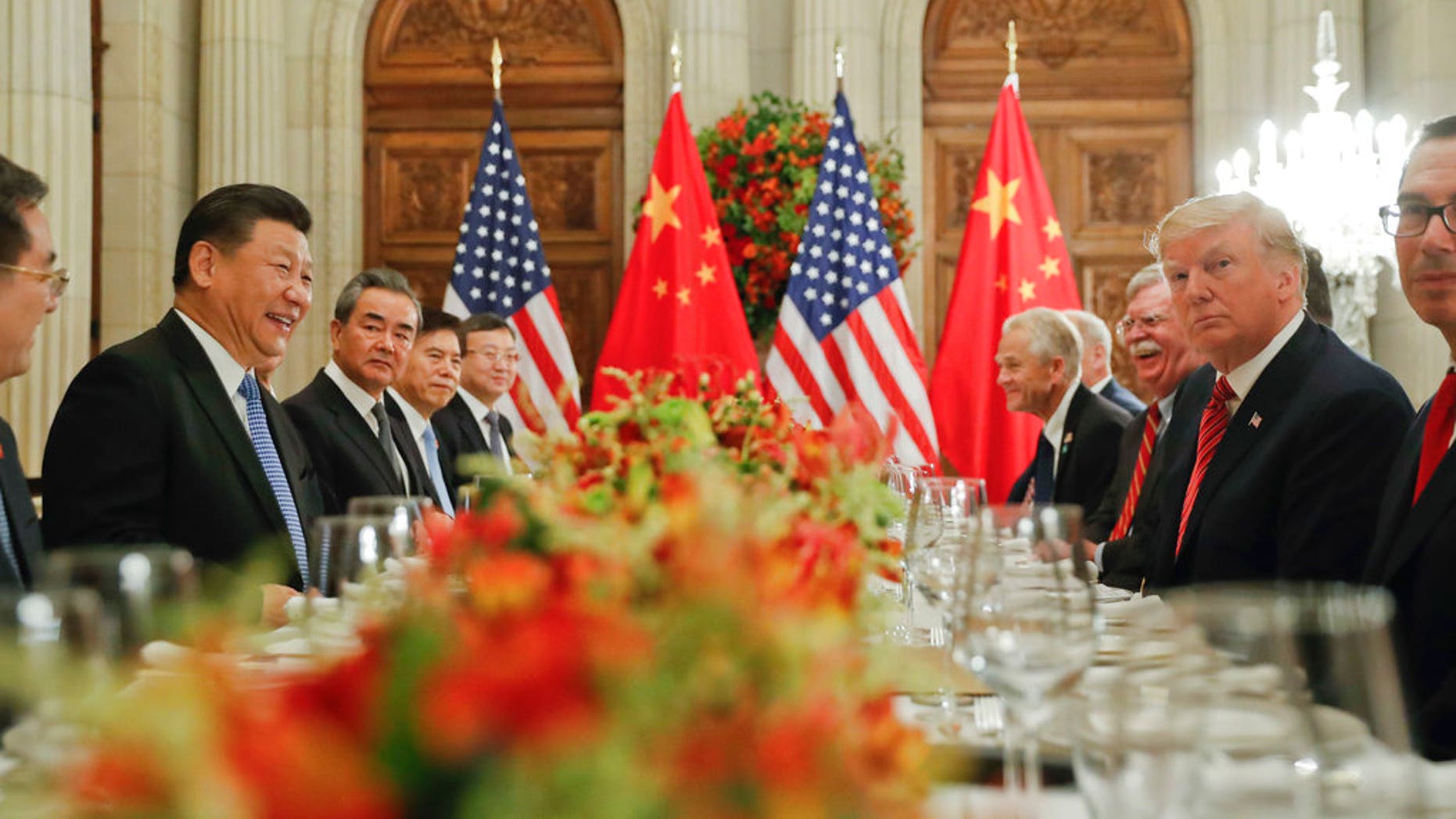
Tense Talks: US–China Tariff Negotiations Heat Up In the ever‑shifting arena of global trade, the US–China tariff negotiations have emerged as a high‑stakes drama, capturing headlines and boardroom chatter alike. Discussions that once moved at a glacial pace have recently accelerated, fueled by diplomatic overtures, strategic imperatives, and mounting domestic pressures on both sides. As negotiators huddle in virtual meeting rooms and back‑channel discussions intensify, the outcomes will reverberate through supply chains, financial markets, and the daily lives of consumers worldwide.
A Legacy of Trade Friction
The roots of today’s standoff stretch back to 2018, when the United States deployed Section 301 tariffs on hundreds of billions of dollars of Chinese goods—aimed at redressing unfair trade practices and intellectual property theft. China responded in kind, targeting U.S. agricultural produce, manufactured goods, and automobiles. The result was an unprecedented tit‑for‑tat that fractured the post‑war trade order and rattled multinational corporations reliant on integrated supply chains.
Short bursts of détente—like the “phase one” agreement in early 2020—provided temporary respite. Broader structural issues, however, remained unresolved. Now, after years of intermittent truces and renewed hostilities, fresh negotiation rounds carry renewed urgency, driven by both pragmatic economics and geopolitical rivalry.
The Current Tariff Landscape
Presently, U.S. duties on Chinese imports average an additional 10 percent above standard Harmonized Tariff Schedule rates. Select sectors—semiconductors, electric vehicles, pharmaceuticals—face levies up to 25 percent. In turn, China’s retaliatory tariffs range from 5 percent on soybeans to 25 percent on medical equipment. These duties act as de facto taxes on cross‑border commerce, increasing costs for importers and prompting many businesses to reconsider sourcing strategies.
Short sentence
Long sentence: By maintaining broad‑based levies while selectively negotiating carve‑outs, both capitals wield tariffs as both shields for domestic industries and bargaining chips in protracted diplomatic dialogues.
Catalysts for Renewed Talks
Multiple factors have conspired to push the principals back to the negotiating table:
Domestic Economic Pressures
In the United States, factory owners and farm lobbyists pressured lawmakers to mitigate tariff impacts that drove up input costs and squeezed export markets. Congressional representatives from swing states, fearful of agricultural backlashes, demanded progress.
In China, slowing growth and export headwinds have intensified the government’s focus on stabilizing trade flows. With unemployment risks rising and corporate earnings under pressure, Beijing has signaled a willingness to explore limited tariff relief.
Geostrategic Realignments
The U.S. has launched allied‑led initiatives—like the Indo‑Pacific Economic Framework—that implicitly critique China’s mercantilist practices. China, in response, seeks bilateral deals to assert its own influence. Both sides recognize that a protracted standoff cedes influence to third‑party powers.
Global Supply Chain Resilience
The pandemic underscored vulnerabilities in over‑centralized supply chains. Companies seek diversification, but complete reshoring is neither practical nor economical. Thus, predictable tariff parameters become essential for planning investments in manufacturing capacity and logistics.
High‑Level Engagements
Senior diplomats and trade representatives have engaged in an array of formal and informal exchanges:
Bilateral Working Groups
Since early 2025, technical teams have met monthly—alternating between Washington, D.C., and Beijing—to tackle sub‑issues like intellectual property enforcement, agricultural purchases, and industrial subsidies. These working groups aim to forge sector‑specific “mini‑deals” that could pave the way for broader tariff rollbacks.
Virtual Summits
Presidents and prime ministers have convened via video conference, underscoring the political importance of the talks. Publicly, both sides emphasize mutual respect; privately, time‑pressures abound.
Side Meetings at International Forums
At gatherings like the G20 Summit and APEC, U.S. Trade Representative dialogues with China’s commerce minister occur on the sidelines. These informal encounters allow for candid exchanges, quick clarifications, and credibility‑building gestures.
Core Dispute Areas
Four primary battlegrounds dominate the US–China tariff negotiations:
Intellectual Property and Technology Transfer
American firms decry forced joint ventures, pirated software, and illicit data harvesting. China has proposed updates to its IP regime and more robust enforcement, but U.S. negotiators demand quantified legal commitments with penalties for noncompliance.
Industrial Subsidies
China’s state‑owned enterprises receive preferential financing, land grants, and tax breaks. U.S. negotiators seek transparency on subsidy levels and enforceable rules to level the playing field. China counters that its model supports domestic development and is no different than incentives used by Western economies.
Market Access and Reciprocity
Foreign automotive and financial firms face stringent joint venture requirements and ownership caps in China. U.S. negotiators demand lower barriers for equity investments and the removal of screening processes deemed arbitrary. Beijing has floated trial liberalization zones but resists wholesale changes.
Agricultural Purchases
Under the phase one deal, China promised to buy an extra $50 billion in U.S. agricultural goods annually. To date, purchases have fallen short. Washington insists on binding quotas or price‑linked commitments, while Beijing cites market conditions and supply chain constraints.
The Mechanics of Negotiation
Building consensus in such complex talks involves:
Data‑Driven Working Papers
Detailed analyses quantify trade imbalances, price impacts, and potential tariff reductions. These papers, often spanning hundreds of pages, form the basis for proposal drafting.
Reciprocal Concessions
Negotiators operate under a “give one, get one” rubric: a tariff cut on one product (e.g., EV batteries) must be matched by concessions in another area (e.g., customs clearance procedures).
Sunset Clauses and Safeguards
Any tariff rollback must include automatic expiration or safeguard triggers if import surges threaten domestic industries. This built‑in protection lowers political resistance.
Stakeholder Consultations
Trade associations, labor unions, and industry coalitions submit formal comments during public consultation phases. Their feedback shapes the scope and timing of potential relief measures.
Domestic Political Dynamics
In the U.S., Congress wields influence:
Tariff Authority
While the executive branch sets initial duties, Congress can legislate overrides or carve‑outs. Bipartisan bills have emerged seeking to exempt critical medical and energy components from tariffs.
Election Cycles
Midterm elections heighten sensitivity to constituents’ concerns. Representatives from manufacturing‑intensive districts press for favorable outcomes or face electoral risk.
In China, political calculus centers on:
Economic Stability
Maintaining GDP growth above target levels underpins the Communist Party’s legitimacy. Trade concessions that boost exports are politically attractive.
National Pride
Ceding too much to foreign pressure risks domestic criticism. Carefully staged tariff rollbacks—framed as mutual cooperation—seek to balance economic needs with nationalist sentiment.
Economic Consequences
The ongoing US–China tariff negotiations have exacted manifold impacts:
Rising Consumer Prices
Tariffs on electronics, apparel, and household appliances have trickled through to retail, contributing modestly to inflation pressures.
Disrupted Supply Chains
Manufacturers reconfigured networks, resulting in partial reshoring to Mexico or Southeast Asia. These shifts incurred capital costs and lengthened lead times.
Trade Flow Realignments
While U.S. import volumes from China dipped initially, they rebounded as buyers absorbed duties. China redirected exports to EU and Middle Eastern markets, mitigating some U.S. leverage.
Sectoral Case Studies
Semiconductors
Tariffs on chipmaking equipment spurred both governments to subsidize domestic fab capacity. Joint pilot projects now explore reciprocal duty relief in return for IP protections.
Electric Vehicles
The U.S. Inflation Reduction Act offers tax credits for domestically assembled EVs, countering Chinese imports. Negotiations explore lowering EV component tariffs to support U.S. battery manufacturing.
Agriculture
Soybean growers lobby for guaranteed purchase volumes. China’s seasonal demand for corn and wheat influences the tempo of talks during planting seasons.
Diplomatic Signaling
Beyond official communiqués, signaling occurs through:
Media Leaks
Anonymous briefings to select outlets preview potential compromises or express frustration, shaping market expectations.
Policy Speeches
Both USTR representatives and Chinese trade officials use prepared speeches to outline red lines and areas of openness.
Third‑Party Involvement
The European Union and World Trade Organization offer to mediate or facilitate technical assistance, signaling that protracted failure harms global trade governance.
Possible Paths Forward
Several frameworks may chart progress:
Incremental Unwinding
Gradual tariff reductions over a two‑ to three‑year period, tied to verifiable actions on IP and subsidies.
Sectoral Pilot Deals
Agreements limited to key industries—semiconductors, biopharma—serving as templates for broader accords.
Mutual Suspension
A temporary moratorium on new tariff hikes, coupled with ongoing dialogue to build trust.
Risks of Negotiation Breakdown
If talks falter, potential consequences include:
Escalation of Duties
Reintroduction of higher levies or expansion to new product categories increases economic disruption.
Supply Chain Exodus
Accelerated relocation of manufacturing capacities to non‑Chinese sites, diminishing China’s role but also straining U.S. input supplies.
Global Trade Fragmentation
Allied countries may align either with U.S. or Chinese tariff regimes, undermining multilateral trade institutions.
Preparing for the Outcome
Companies can hedge risks by:
Scenario Planning
Modeling cost impacts under various tariff reduction timelines.
Diversifying Suppliers
Expanding sourcing networks beyond China to include Vietnam, India, and Latin America.
Leveraging Free Trade Zones
Utilizing domestic FTZs to defer or eliminate duties on imported components.
Conclusion
As US–China tariff negotiations intensify, stakeholders brace for both breakthroughs and setbacks. The complex interplay of economic imperatives, geopolitical rivalries, and domestic politics ensures that no outcome is assured. Businesses must remain vigilant, agile, and informed, ready to pivot supply chains or capitalize on emerging carve‑outs. While the road ahead promises challenges, it also offers opportunities for strategic collaboration—if negotiators can transcend old paradigms and forge a sustainable trade framework fit for the twenty‑first century.