

Eco Friendly Vehicles That Help Save The Planet,The modern world is undergoing a quiet yet profound transformation. Transportation, once dominated by fossil fuels and dense emissions, is now shifting toward cleaner alternatives that promise a more harmonious relationship with the environment. eco friendly vehicles are no longer niche innovations. They are becoming central to how societies envision mobility in the coming decades.
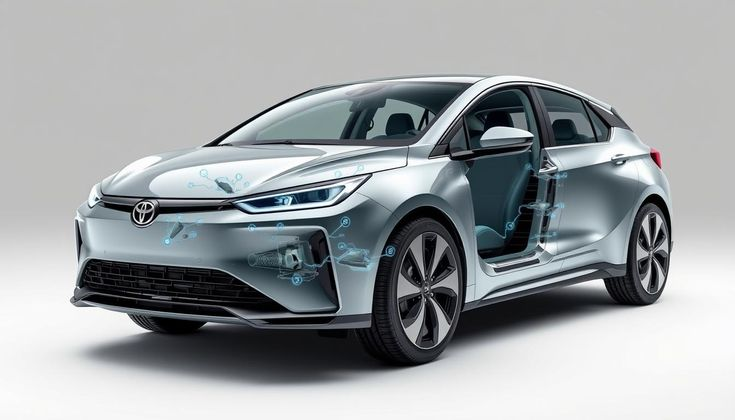
Short trips feel lighter. Long journeys feel more responsible. This subtle psychological shift reflects a deeper awareness of ecological impact. Manufacturers are responding with ingenuity, crafting machines that blend efficiency with environmental stewardship. From compact urban commuters to sophisticated long range models, the landscape is evolving rapidly.
Electric Innovation and Silent Efficiency
Electric powered transportation stands at the forefront of this movement. These vehicles operate with remarkable quietness, eliminating the cacophony associated with traditional engines. The absence of tailpipe emissions contributes directly to improved air quality, particularly in densely populated urban centers.
The engineering behind electric propulsion is both elegant and complex. High capacity batteries, regenerative braking systems, and advanced energy management create a seamless driving experience. While infrastructure continues to expand, the adoption curve grows steeper each year. In this context, eco friendly vehicles represent not just technological advancement but a recalibration of priorities.
Hybrid Systems and Transitional Solutions
Not every journey toward sustainability is abrupt. Hybrid vehicles offer a transitional bridge, combining internal combustion engines with electric assistance. This dual system reduces fuel consumption while maintaining flexibility for longer distances.
Drivers benefit from improved efficiency without fully relinquishing conventional refueling habits. It is a pragmatic compromise. In regions where charging networks are still developing, hybrids provide a balanced alternative. The presence of eco friendly vehicles in this category demonstrates that sustainability can be incremental as well as revolutionary.
Alternative Fuels and Emerging Possibilities
Beyond electricity and hybridization lies a spectrum of alternative fuels. Hydrogen fuel cells, biofuels, and synthetic energy sources are gaining attention for their potential to decarbonize transport further. Each approach carries its own advantages and limitations, yet all contribute to a broader ecosystem of innovation.
Hydrogen powered vehicles, for instance, emit only water vapor, offering a tantalizing glimpse of near zero emission travel. Biofuels utilize organic materials, reducing dependence on finite resources. These developments reinforce the idea that eco friendly vehicles are not confined to a single technology but encompass a diverse array of solutions.
Urban Mobility and Micro Transport
Cities are reimagining mobility at a more granular level. Compact electric scooters, bicycles, and shared mobility platforms are redefining short distance travel. These options reduce congestion while minimizing environmental impact.
The elegance of micro transport lies in its simplicity. Lightweight designs, minimal energy consumption, and ease of use make them ideal for daily commutes. As urban populations grow, the role of eco friendly vehicles in this category becomes increasingly vital. They offer a practical answer to overcrowded streets and rising pollution levels.
Design Philosophy and Environmental Responsibility
Sustainability extends beyond propulsion systems. Modern vehicle design incorporates recyclable materials, energy efficient manufacturing processes, and lifecycle considerations. Every component is scrutinized for its ecological footprint.
Interior materials may derive from renewable sources. Production lines are optimized to reduce waste. Even end of life recycling is factored into the design process. This holistic approach ensures that eco friendly vehicles embody sustainability at every stage, not just during operation.
Consumer Awareness and Cultural Shift
The adoption of sustainable transportation is as much cultural as it is technological. Consumers are becoming more discerning, prioritizing environmental impact alongside performance and cost. This shift influences market dynamics, encouraging manufacturers to innovate further.
Ownership is no longer the sole focus. Shared mobility, subscription models, and integrated transport systems are gaining traction. These changes reflect a broader understanding that mobility can be efficient, accessible, and environmentally responsible. Within this evolving narrative, eco friendly vehicles symbolize a commitment to a cleaner and more sustainable future.